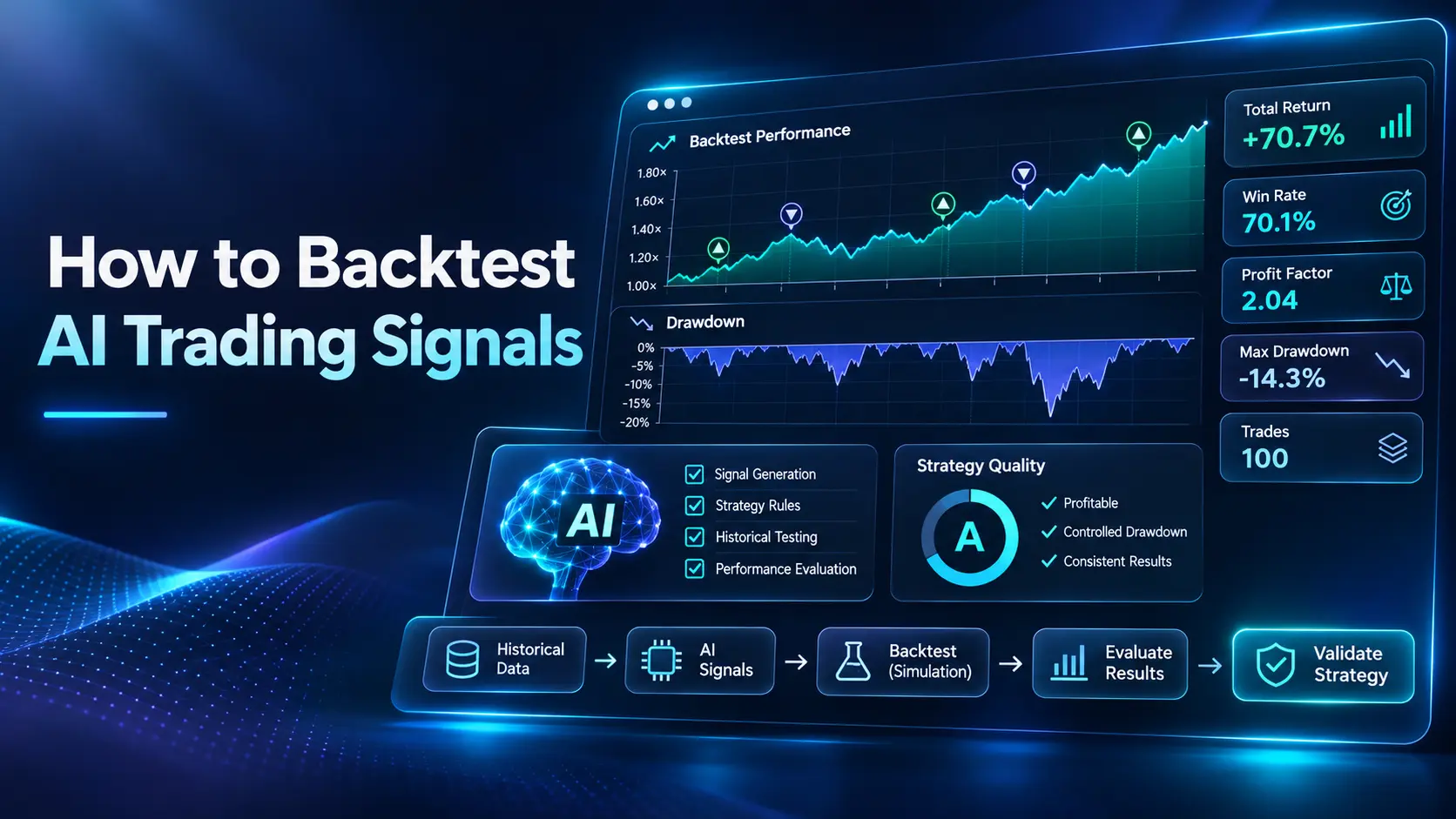
A backtest can make an AI trading signal look profitable on paper. The real question is whether that profit would have survived actual market conditions. To backtest AI trading signals, we need historical signals, reliable price data, clear execution rules, and realistic trading costs. We then measure the results and test whether the apparent advantage […]
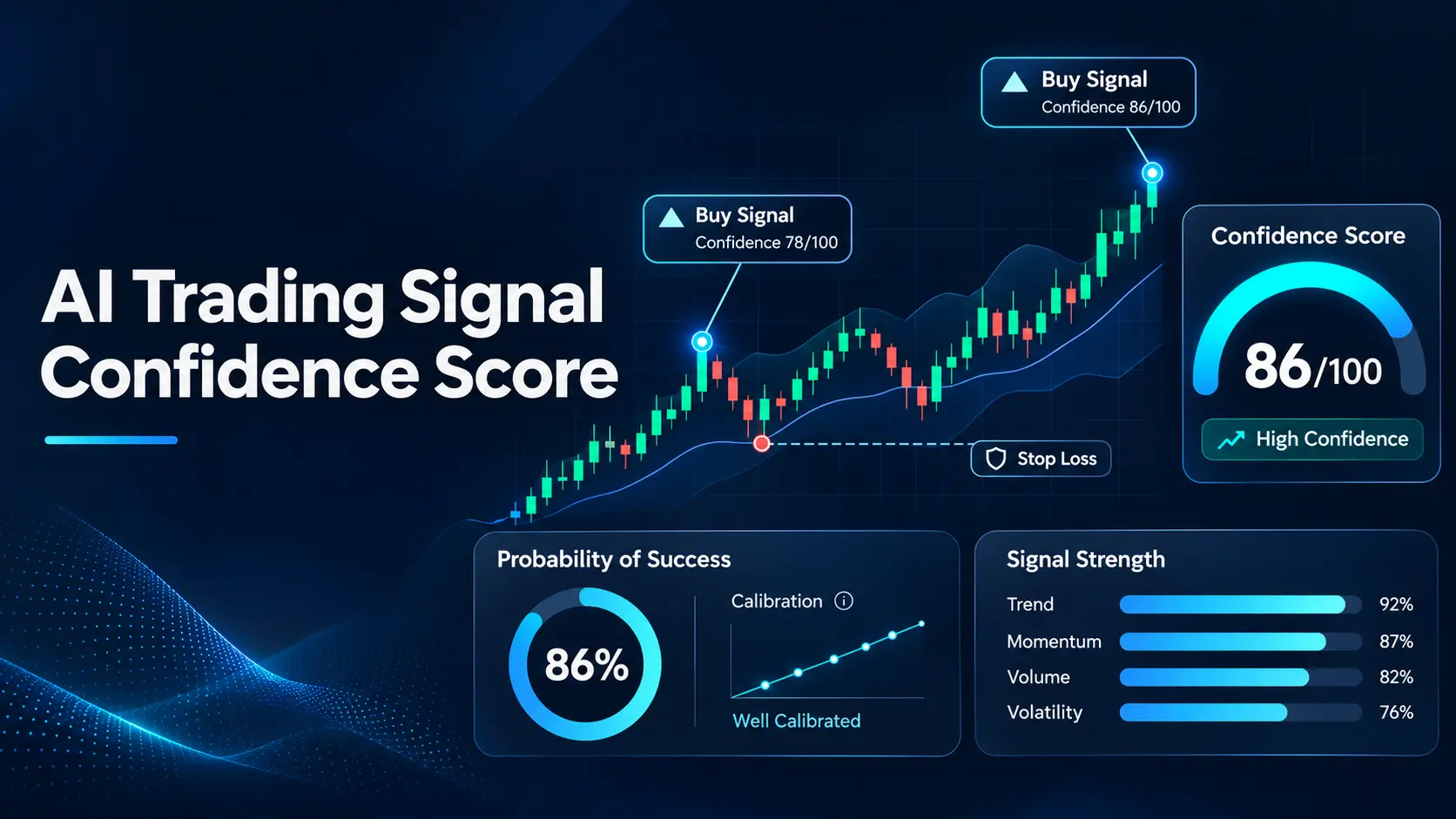
An AI Trading Signal Confidence Score shows how strongly a trading system supports a particular market setup. But an 85% confidence score does not automatically mean an 85% chance of making a profitable trade. The number could represent a model rating, a weighted combination of indicators, or a probability estimate. At Pineva, we believe the […]
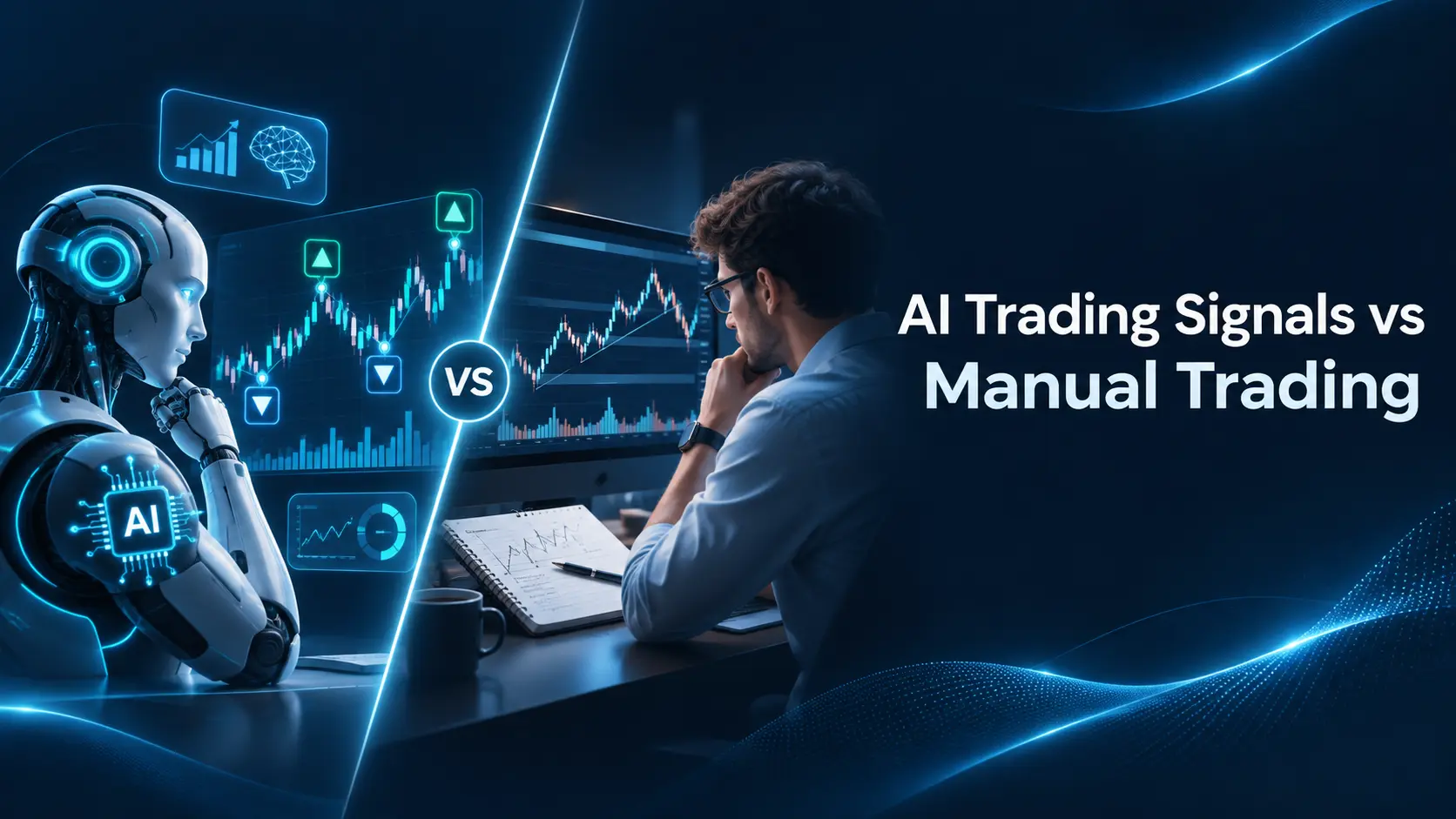
AI trading signals and manual trading offer two different approaches to finding opportunities in the crypto market. AI signals analyze selected market data and generate trading suggestions, while manual trading relies on a trader’s own analysis and judgment. AI can reduce the time spent monitoring charts, but manual trading gives users direct control over how […]
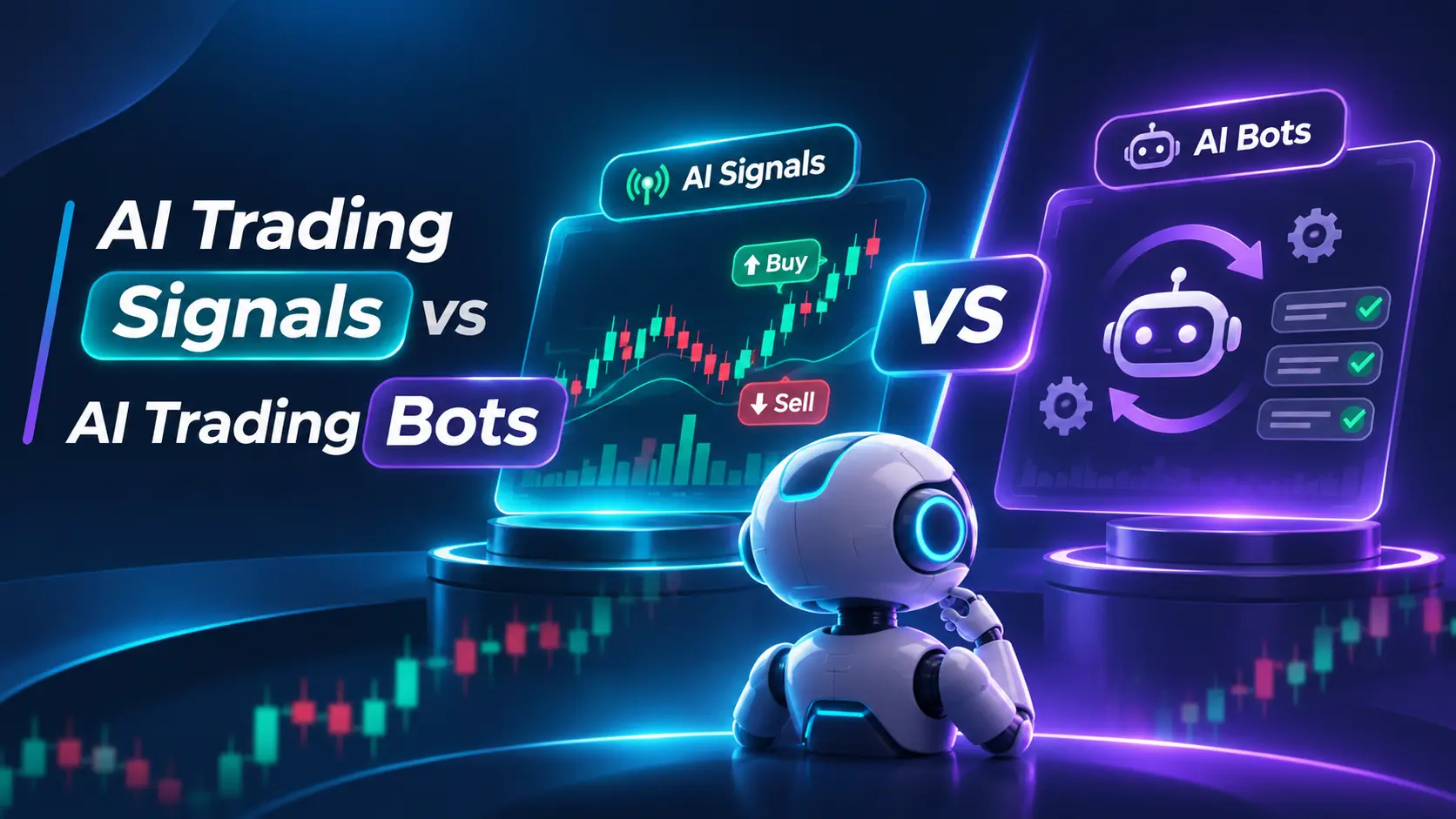
AI trading signals and AI trading bots both use technology to support crypto trading, but they serve different purposes. Signals identify potential opportunities and leave the trading decision to the user. Bots can execute orders automatically according to configured rules or model outputs. The better choice depends on how much control you want, how often […]
AI Signals use artificial intelligence to analyze market data and identify potential trading opportunities. In crypto trading, these signals help traders assess price direction, entry conditions, and possible exits without manually monitoring every market movement. But a signal is only as useful as the evidence behind it. At Pineva, we believe understanding how a signal […]
Most people’s crypto watchlist is just a list of tickers they check when they’re bored — a row of prices that produces anxiety and impulse buys but no actual decisions. A good watchlist is the opposite: a small, deliberate shortlist of things you’d genuinely want to own, each with a reason and a plan attached. […]
You can find a project with a brilliant product, a strong team and real users — and still lose money holding its token. The reason is almost always tokenomics: the design of the token itself. Tokenomics explained simply is the study of how a token is supplied, distributed and used, and whether those mechanics work […]
Knowing you should research a project is easy; knowing exactly what to look at is the hard part. This is the step-by-step version — a checklist you can run on any coin before you buy, in roughly the order that saves you the most time. It’s the practical companion to crypto fundamental analysis, which covers […]
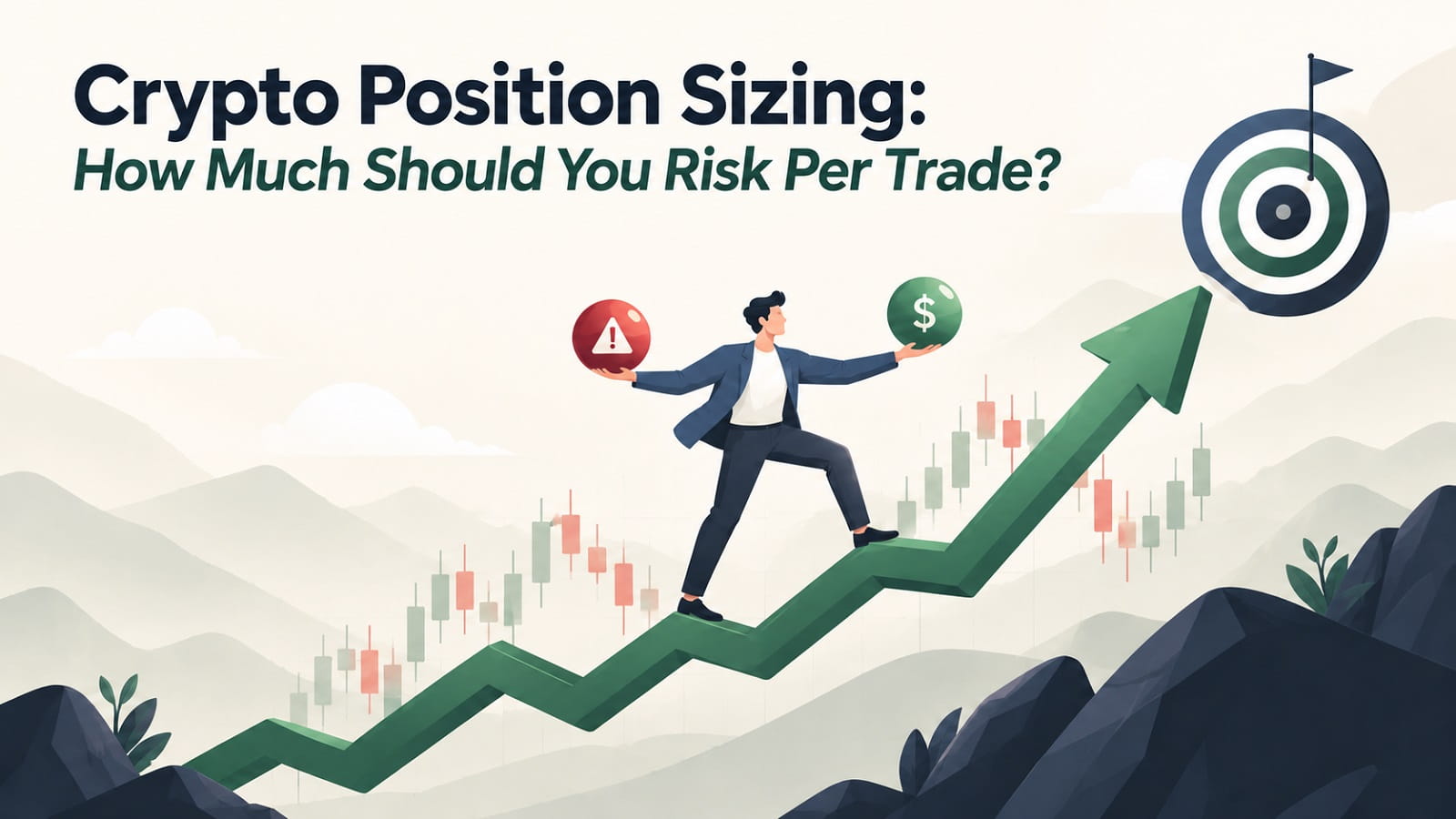
Most traders obsess over where to enter. Far fewer think about the question that actually decides whether they survive a bad run: how much to put on the line in the first place. Crypto position sizing is that decision — and it’s the quiet reason two traders with identical calls can end a rough month […]
Trading discipline is the least technical skill in trading and, for most people, the hardest. You can learn to read structure, size a position and calculate a risk-to-reward ratio in an afternoon. Doing all of it correctly when real money is on the line, and your gut is screaming the opposite, is the work of […]